
Xaoc Devices products
Welcome to Xaoc Devices, one of the leading manufacturers of electronic musical instruments based in Poland. Born out of a true love for modular synthesis, Xaoc Devices has quickly become a prominent player in the international boutique gear market, captivating the attention of synth enthusiasts and professionals alike.
With a relentless commitment to innovation and quality, Xaoc Devices strives to deliver cutting-edge products that never compromise on performance and quality. Each step of their product line's evolution is carefully crafted to maintain the perfect balance between innovation, affordability, and effectiveness.
Beyond their dedication to modular synthesis, Xaoc Devices has gained recognition for their meticulous attention to detail and exceptional build quality. Their instruments are renowned for their reliability and durability, allowing musicians to fully immerse themselves in their creative journeys.
As you explore the world of Xaoc Devices, you'll discover a diverse range of modules and instruments that push the boundaries of sound manipulation. From complex oscillators to multifunctional utility modules, each offering is designed to inspire experimentation and unlock new sonic possibilities.
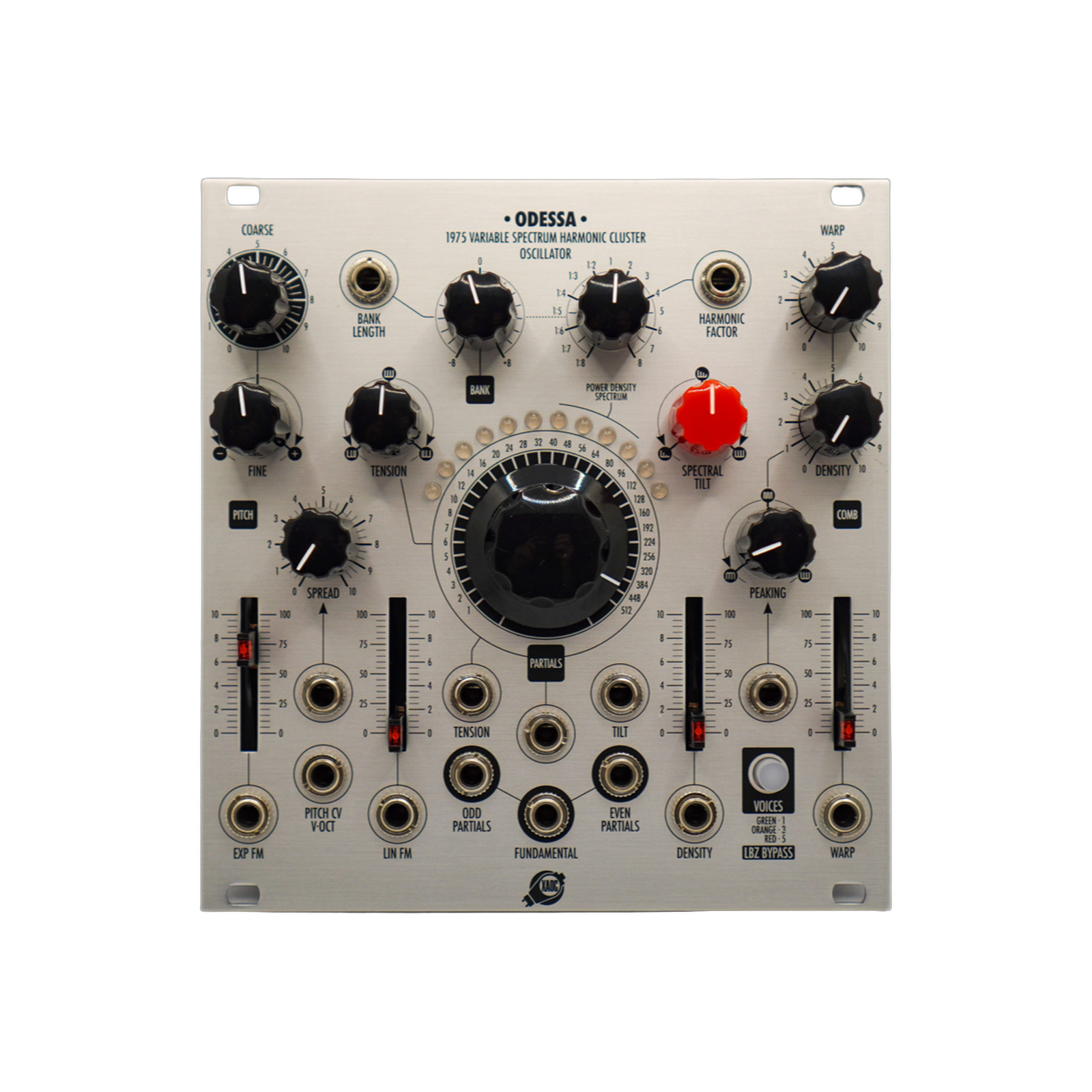
DESCRIPTION
The Odessa is an advanced additive oscillator module that allows you to create a wide range of sounds by adding up to 2560 sinusoidal components (harmonic partials). This lets you create everything from classic saw, square, and sine waves to completely unearthly sounds. The module offers a set of controls for shaping the harmonic spectra, including the number of partials and their distribution in frequency and amplitude. A spectrum analyzer with 12 multicolor LEDs provides visual feedback on your settings.
The series of harmonics can be manipulated to create different effects, similar to flanging and phasing. All partials are related to a common fundamental frequency, which is controlled by a single V/Oct input. The signal can also be modulated by exponential or linear (through-zero) means. Up to five detuned voices can be spread apart for a fuller sound.
For more detailed information, please refer to the manual.
FEATURES
Powerful additive synthesis engine with up to 2560 sinusoidal partials
0.5Hz to 21kHz frequency range with resolution of 0.006Hz
Harmonic or inharmonic spectra shaped by tilt and warped comb response
Volt/octave pitch control
Through-zero linear FM input
Up to 5 unison and detuneable voices
Three signal outputs
TECHNICAL DETAILS
24hp, skiff friendly
Current draw: +110mA / -80mA
Reverse power protection
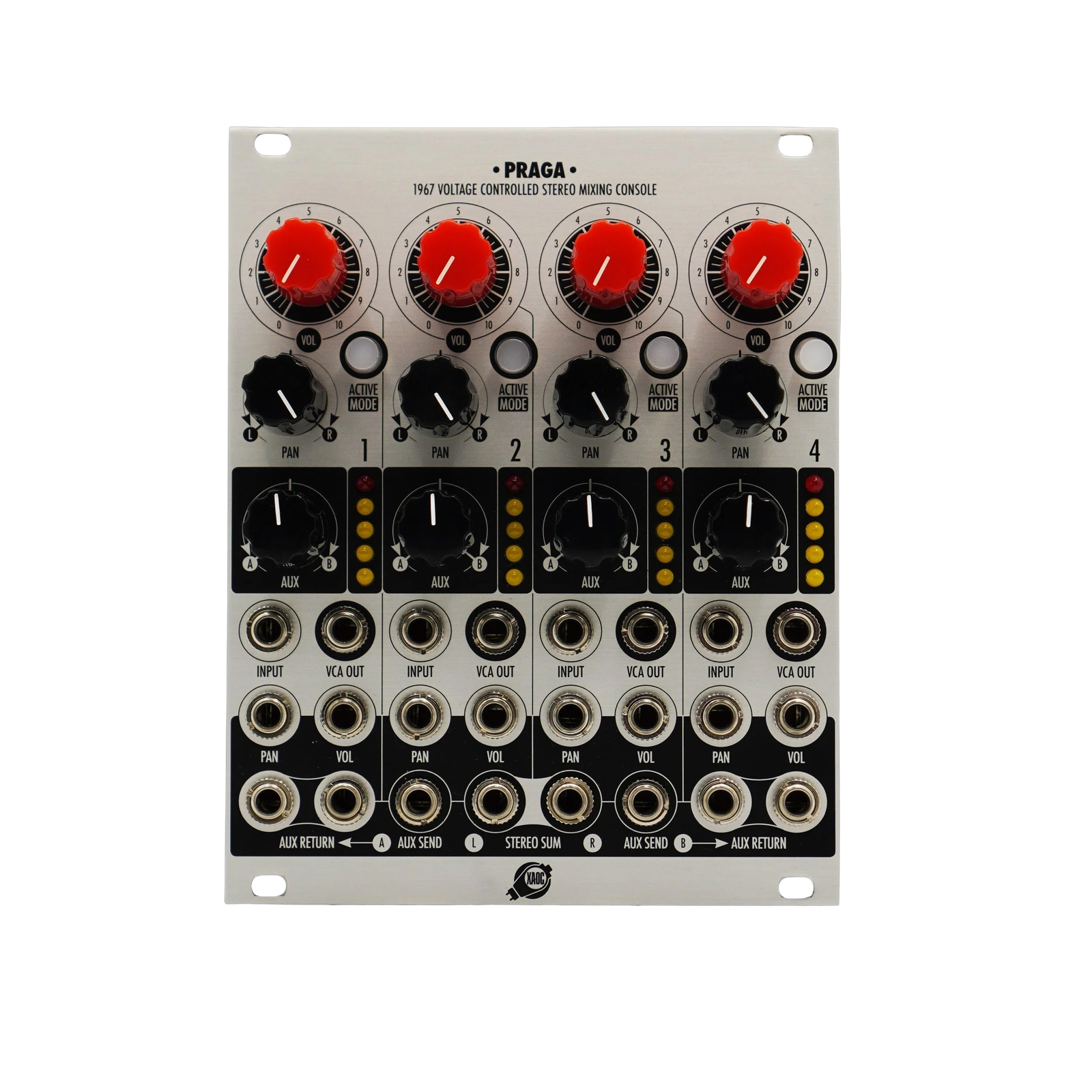
The Praga is a four-channel voltage-controlled mixer that offers a wide range of features for professional-quality mixing. It features a stereo mixing bus, two auxiliary sends with stereo returns, and clickless muting for smooth transitions between channels. The mixer is expandable, allowing you to add more channels as needed.
One of the standout features of the Praga is its carefully designed voltage control response. The control circuit combines the internal voltages generated by the panel potentiometers with external CV over volume and pan, resulting in a natural attenuator response that minimizes distortion while providing a usable range of VCA gain.
Other features of the Praga include DC-coupling and a super-clean signal path thanks to high-quality VCA and opamp chips. The mixer is available in a Eurorack format, making it easy to integrate into your existing setup.
FEATURES
Intuitive volume control behavior
Voltage control over volume and pan
Dedicated modes for unipolar and bipolar voltage control over volume
DC-coupled signal path
Channel level indicators
Two auxiliary sends with stereo returns
Clickless channel muting
Size: 20 HP
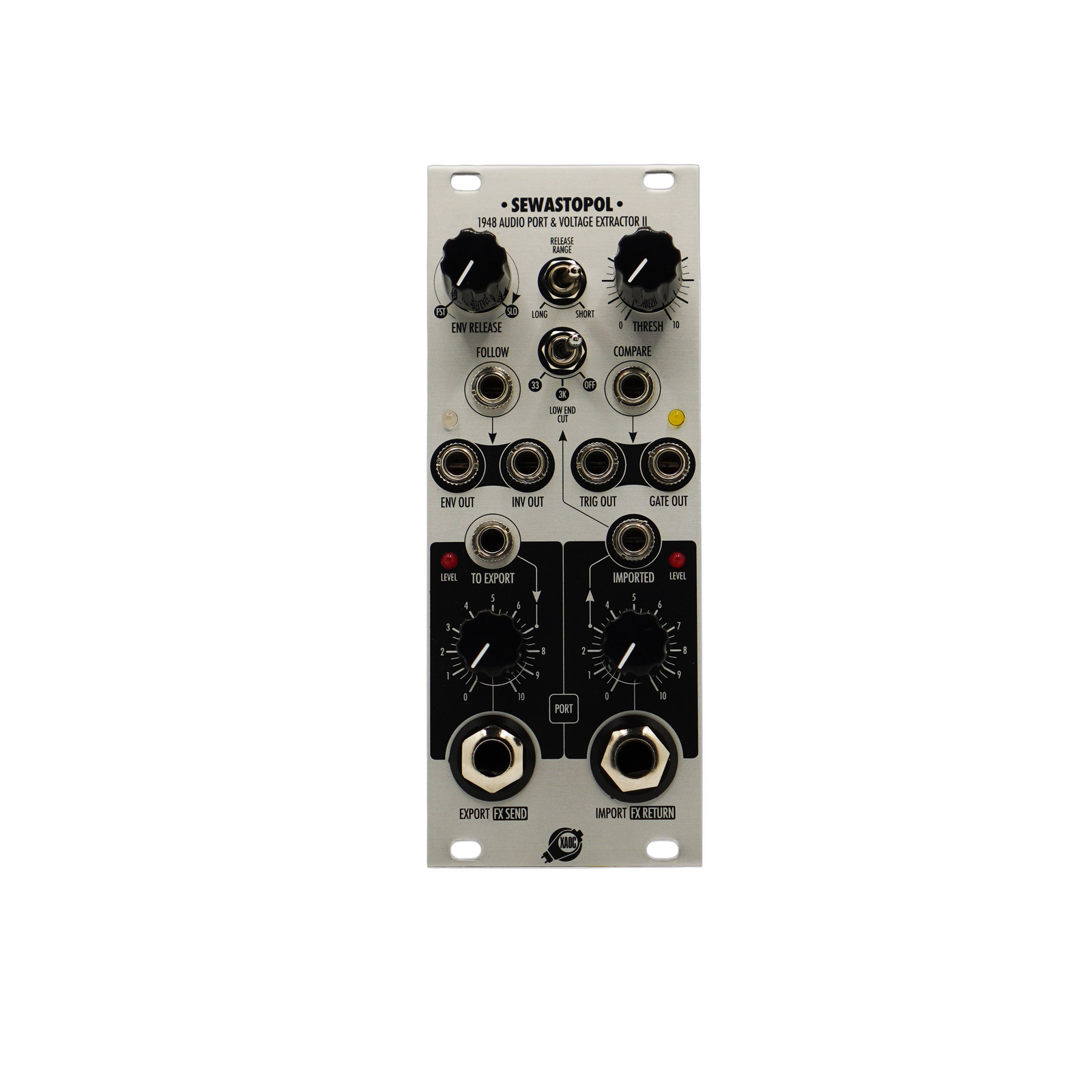
Sewastopol allows you to interface your modular system with the outside world in many ways. Actually, there are 3 submodules in one compact package. The lower section can be used as input and output audio interface and external effects adaptor, while the upper section is an innovative voltage extractor consisting of a versatile, very accurate envelope follower and comparator. Either section can be used independently.
FEATURES
external effects adaptor
audio input & output interface
versatile envelope follower with 2 wide ranges of operation and low-cut filter
voltage comparator with hysteresis circuit
soft clipping option
internal normalizations
reverse power protection
Size: 8 HP
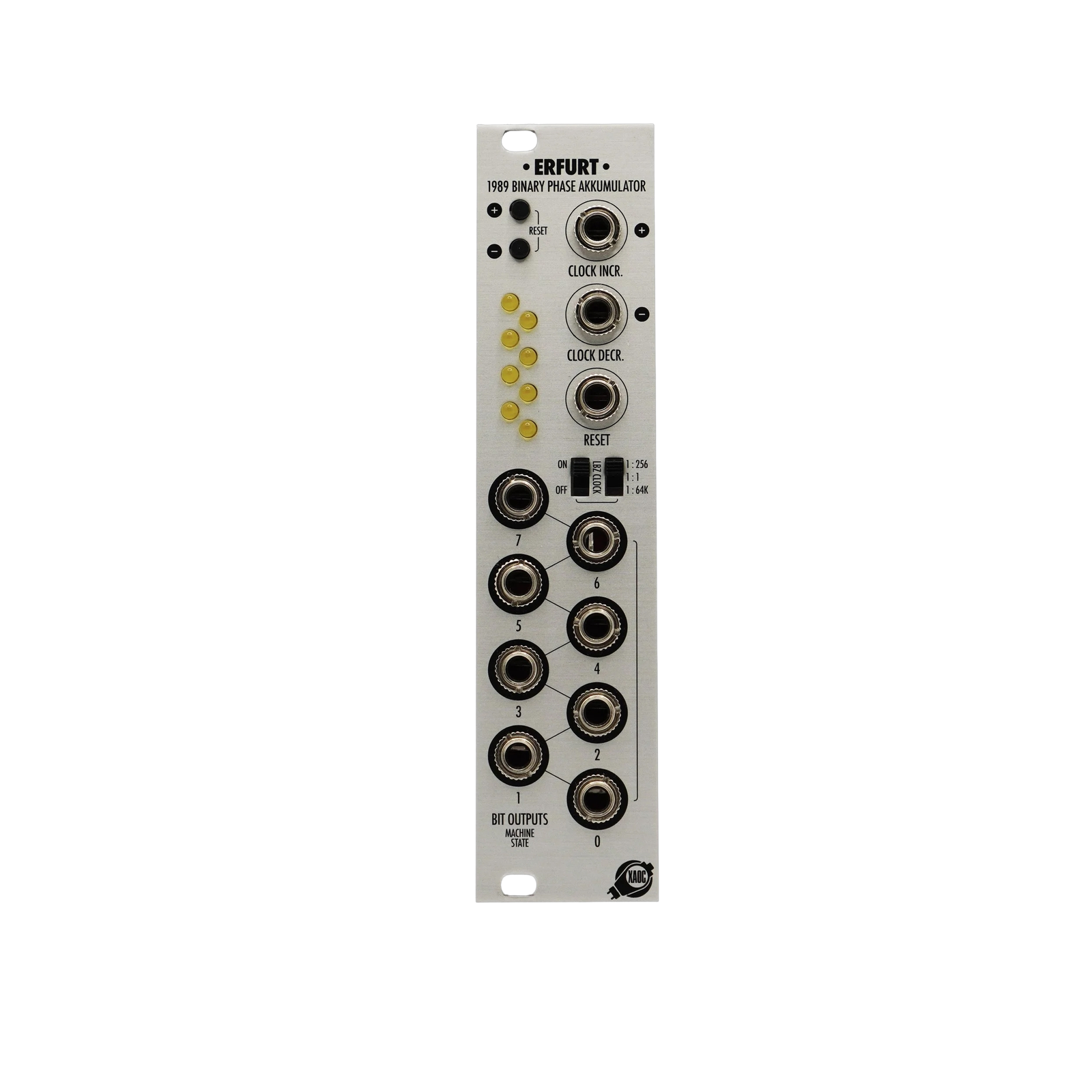
Erfurt is a bi-directional digital counter, frequency divider, and component of our 8-bit Leibniz Binary Subsystem. It has multiple applications: the output of the counter may be used as a phase source driving a digital wavetable, connected to other Leibniz modules it may scan waveshapes in Jena, produce stepped voltages useful for making interesting glissandi with Drezno and any VCO, generate gate patterns animating the spectrum of Odessa harmonic banks, spawn pseudo-chaotic sequences when fed back to Lipsk, etc.
It can also operate standalone (without other Leibniz components), and act as an 8-output clock and audio frequency divider.
Since Erfurt is based on CMOS logic (no CPU!), it can be clocked at very high frequencies (exceeding audio rate) without any aliasing or frequency interference. It also features its own internal HF clock source that may be used with clockless data sources.
FEATURES
Component of Leibniz Binary Subsystem
Phase accumulator
Programmable digital oscillator
Bi-directional binary counter
Clock and audio frequency divider
Size: 6 HP
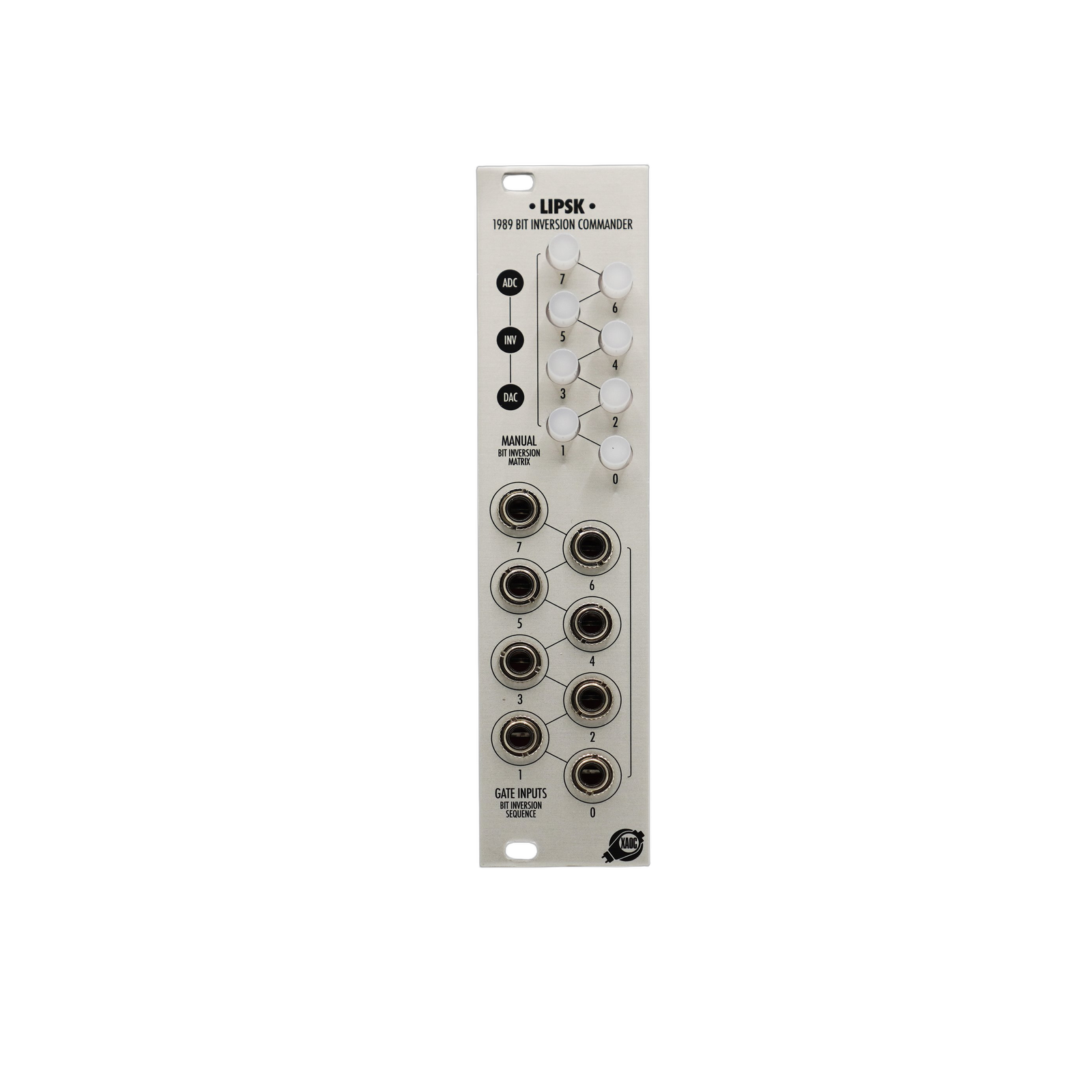
Lipsk facilitates the inversion of the individual bits produced by Drezno (or any other module connected to its input header at the back), and delivers the resulting code to its output header. Bit inversion can be manually controlled by pressing any of combination of its eight illuminated buttons, or it can be automated by patching gate signals into its gate input sockets. An active (5V) gate flips the state of the respective bit. If the button is active (bit already flipped), then the gate flips the bit again yielding double inversion (no inversion). The corresponding LEDs show the combined effect of both manual and gate actions. The bit processing logic is hardware-based, so there is virtually no latency, allowing the binary signals to be manipulated at extreme rates.
FEATURES
Element of the universal subsystem for creating and processing analog signals in the 8-bit digital domain
Suitable for CV and audio processing with no aliasing
Bit inversion with manual and CV gate control
No latency logic processing
Size: 6 HP
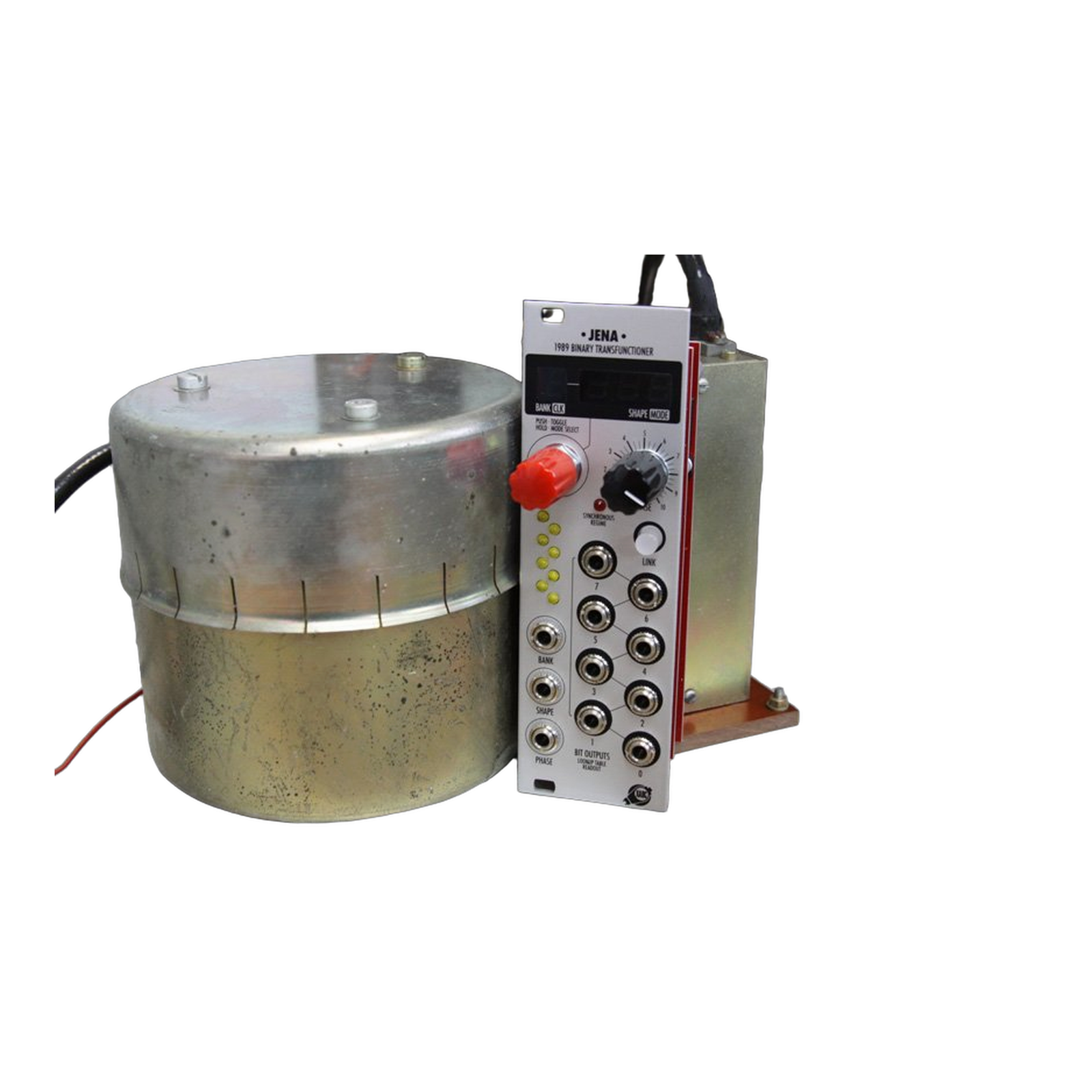
Jena is a digital module that may be used as a flexible waveshaper for CV and audio signals, a wavetable oscillator, a Walsh function generator, or a rhythm generator. Jena is a new member of the Leibniz Binary Subsystem which operates on signals and voltages by manipulating binary 8-bit numbers. The Leibniz subsystem offers direct access to all individual bits of data which can be mixed and cross-patched (like in the popular circuit bending experimental technique, but without the risk of damaging your device). Please note that for analog inputs and outputs it needs to be paired with other Leibniz modules, such as Drezno. Complex chains will be possible as more components are added to the system. For example, you can use two Lipsk expanders (one before Jena, and another one after Jena in the chain) for unlimited patching.
FEATURES
Component of Leibniz Binary Subsystem
15 banks of 256 digital transform functions
Digital waveshaper
Wavetable oscillator
Through-zero linear phase modulation
Walsh function generator
Drum pattern generator
Size: 8 HP
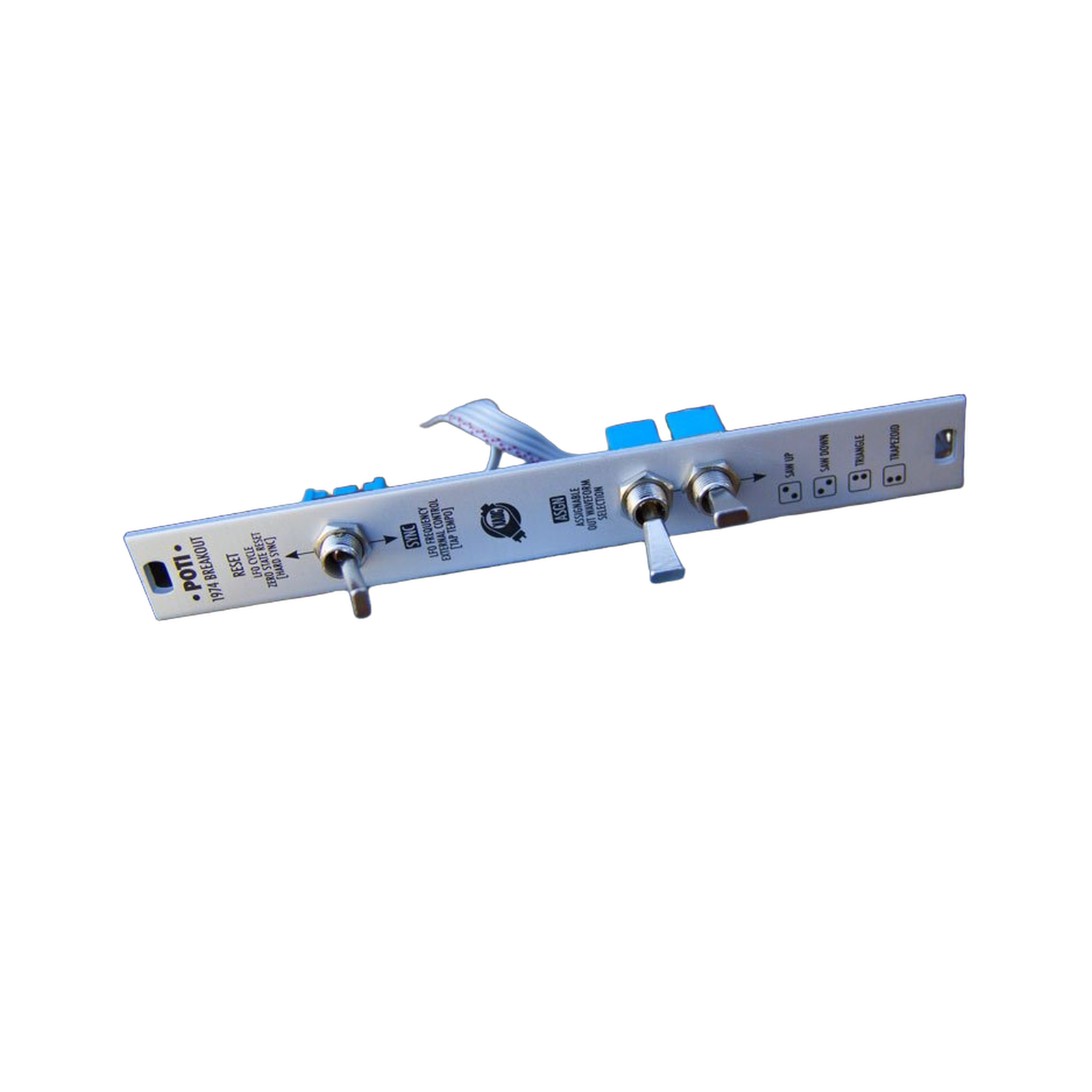
Poti is a simple but very useful breakout expander for the Batumi quadruple LFO module by Xaoc Devices. Its panel provides an immediate access to the Batumi functions originally selected by the cluster of jumpers on the back of the module: Reset/Sync mode option and selection of the assignable waveform.
FEATURES
instant nanual control over Batumi features
can be used with pretty much any module with jumpered options on the back
Size: 3 HP
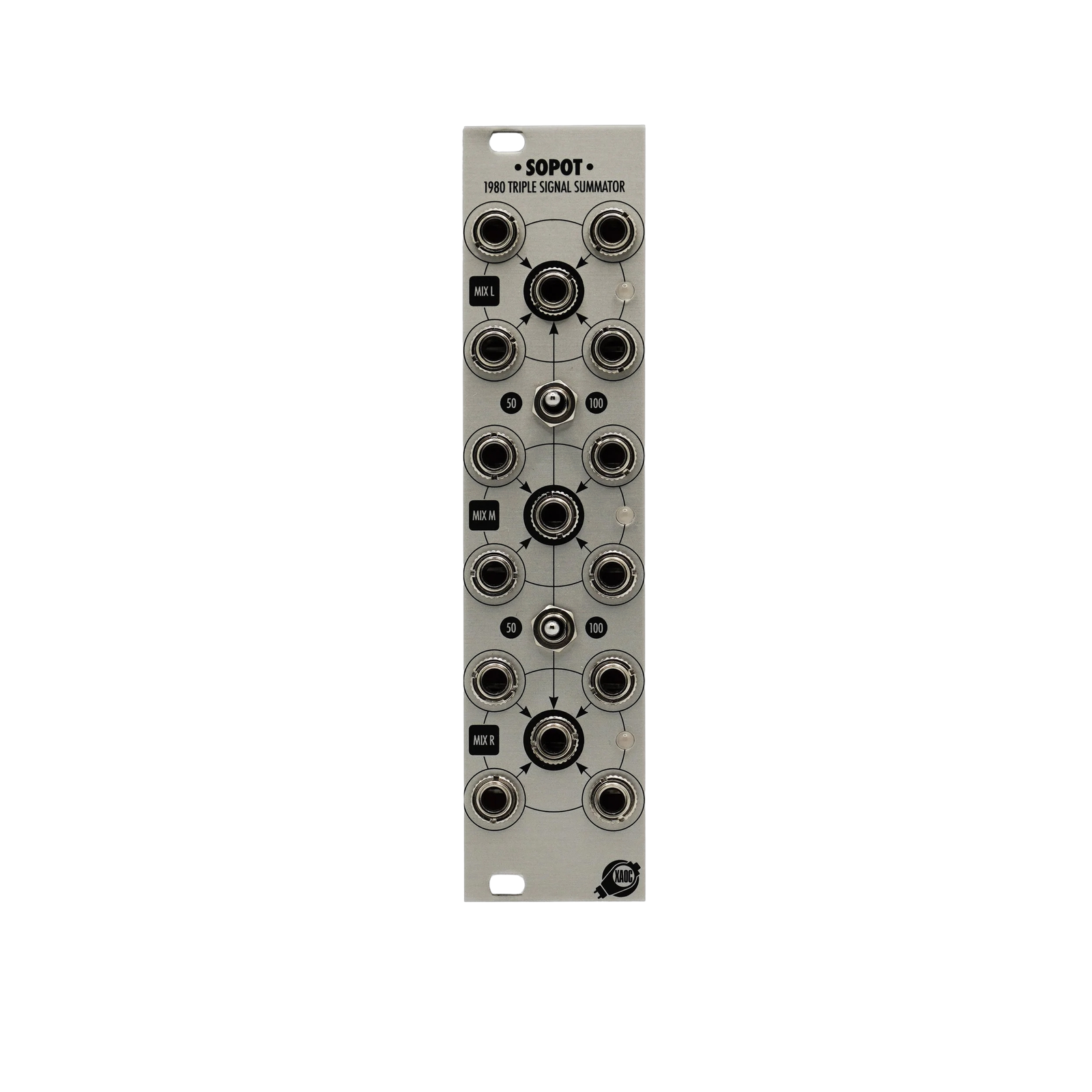
Sopot is a triple summing mixer featuring three signal-adding sections, with the middle one optionally fed to the top and bottom ones. Sopot is a compact utility module useful in summing multiple stereo and mono sound sources (up to four signals for each section).
FEATURES
Three independent 4:1 summators
Middle section optionally fed to the upper and lower ones
Switch-selectable submix gain
High-quality, low-noise design
Color signal level indication
Size: 6 HP
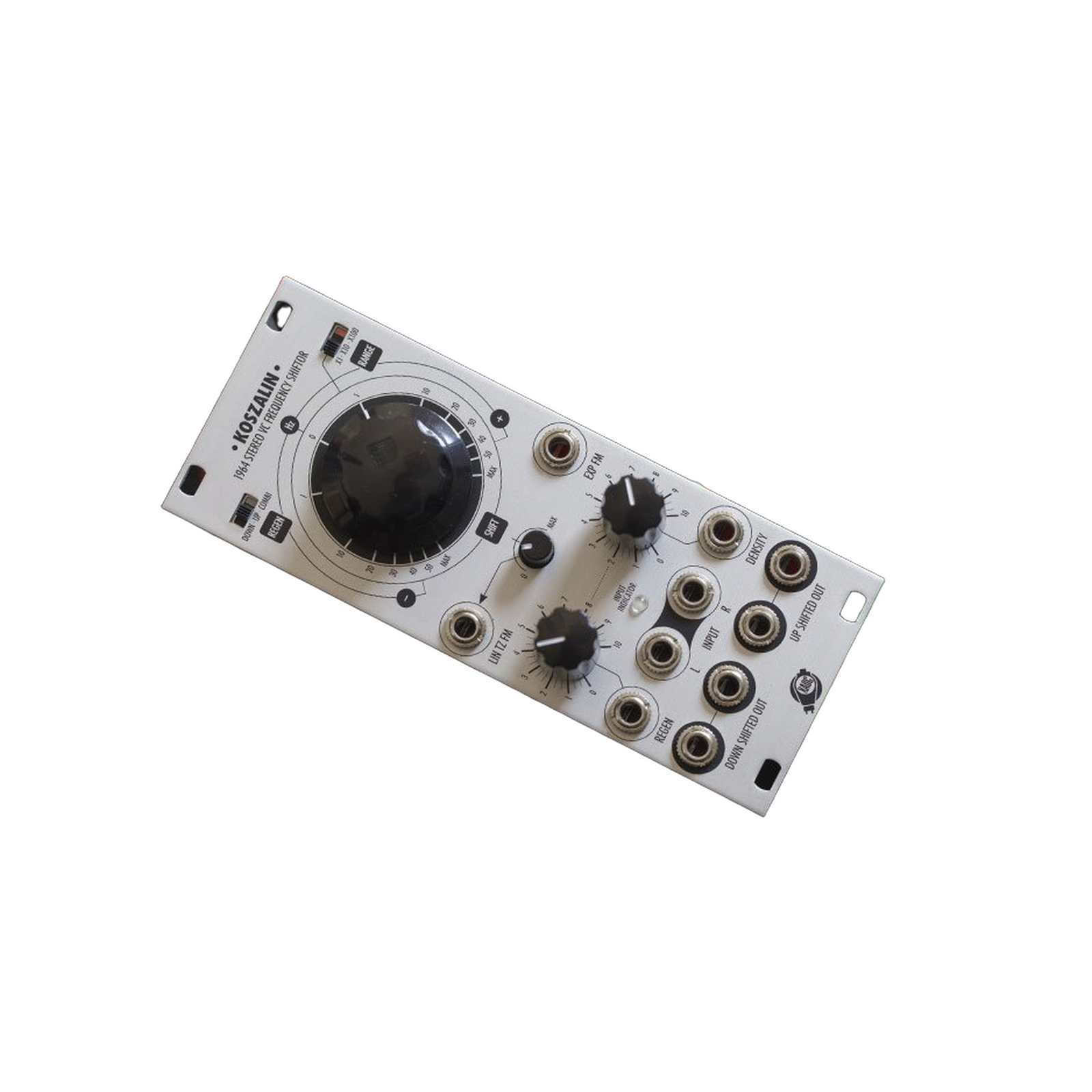
The Koszalin is a stereo frequency shifter module that offers both quasi-exponential and linear frequency modulation, as well as full stereo feedback under voltage control. It produces a linear translation of the signal spectrum, creating a variety of atonal sounds.
The Koszalin has direct controls for feedback amount, feedback routing, and feedback response. It also allows you to modulate the frequency of any stereo audio signal using the linear TZFM input. The module is digital, with a DSP behind an analog interface. Whether you're looking to create complex and unique sounds or just want to experiment with frequency shifting, the Koszalin is a great option.
FEATURES
Full stereo frequency shifting with 2 inputs and 4 outputs
3 ranges of shift: 50Hz, 500Hz, and 5kHz
Independent exponential and linear thru-zero control inputs
Internal feedback under voltage control
Size: 10 HP
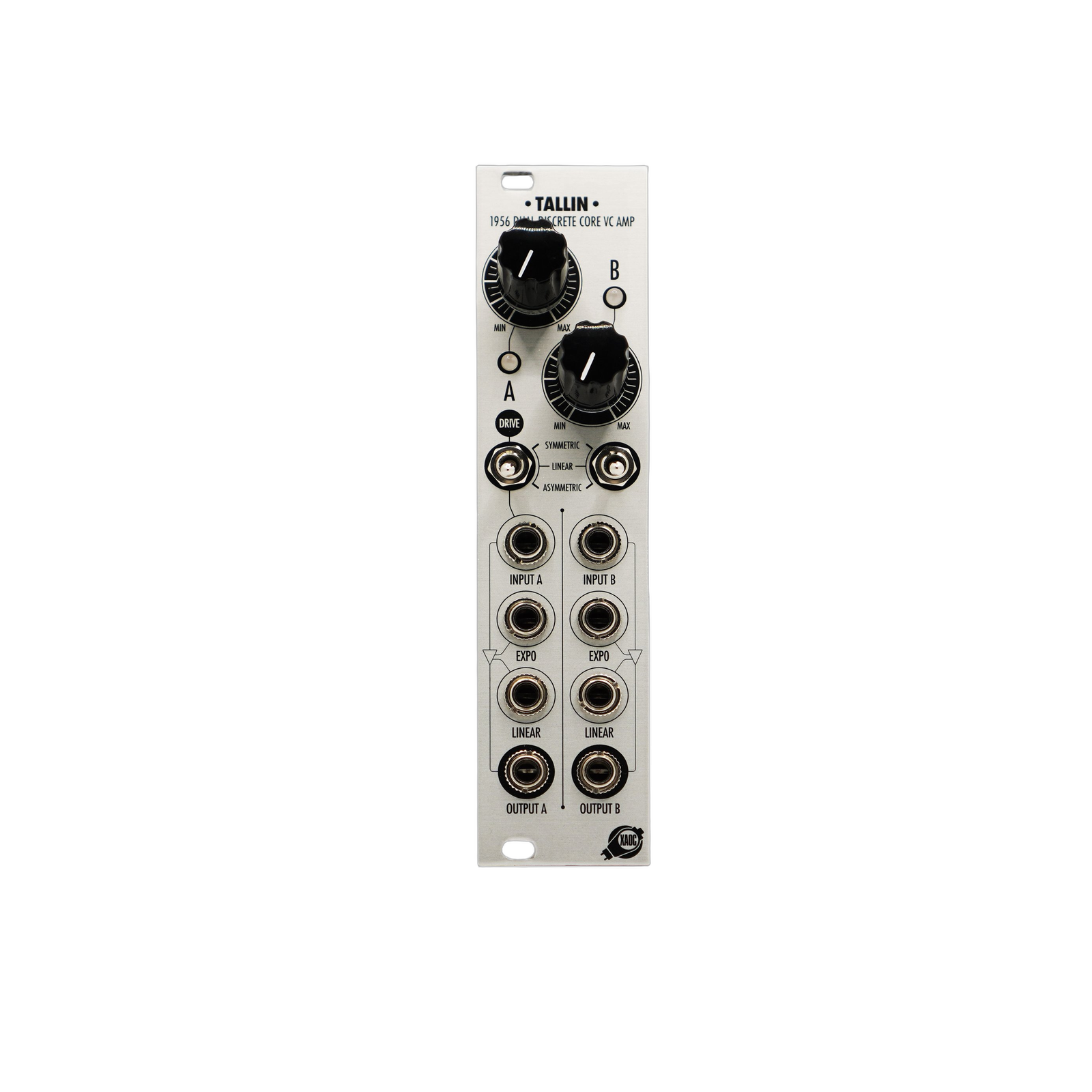
Tallin is a dual voltage controlled amplifier (VCA) with overdrive, offering some unusual control features and a range of attractive tonal characteristics. Each of the two identical channels offers two simultaneously available inputs for voltage control over signal attenuation or gain, with linear and exponential response to CV. Volume control knobs offer manual gain settings ranging from fully closed (-80dB) up to +18dB. A color LED indicator displays output signal levels. A soft-clip circuit avoids harsh clipping distortion, while a switchable overdrive circuit offers two carefully crafted distortion responses, simulating the sound of classic tube amplifiers.
Since both CV inputs are simultaneously active, they can be jointly exploited within patches featuring more complex volume control that otherwise would require using two traditional VCAs in series. As the signal path is DC-coupled, Tallin can also be used for handling the control voltages.
FEATURES
Discrete core analog VCA circuitry
Simultaneous linear and exponential voltage control
DC-coupled for control voltage processing
Multi-color signal level indication
Two distinct amp overdrive characteristics
Size: 6 HP
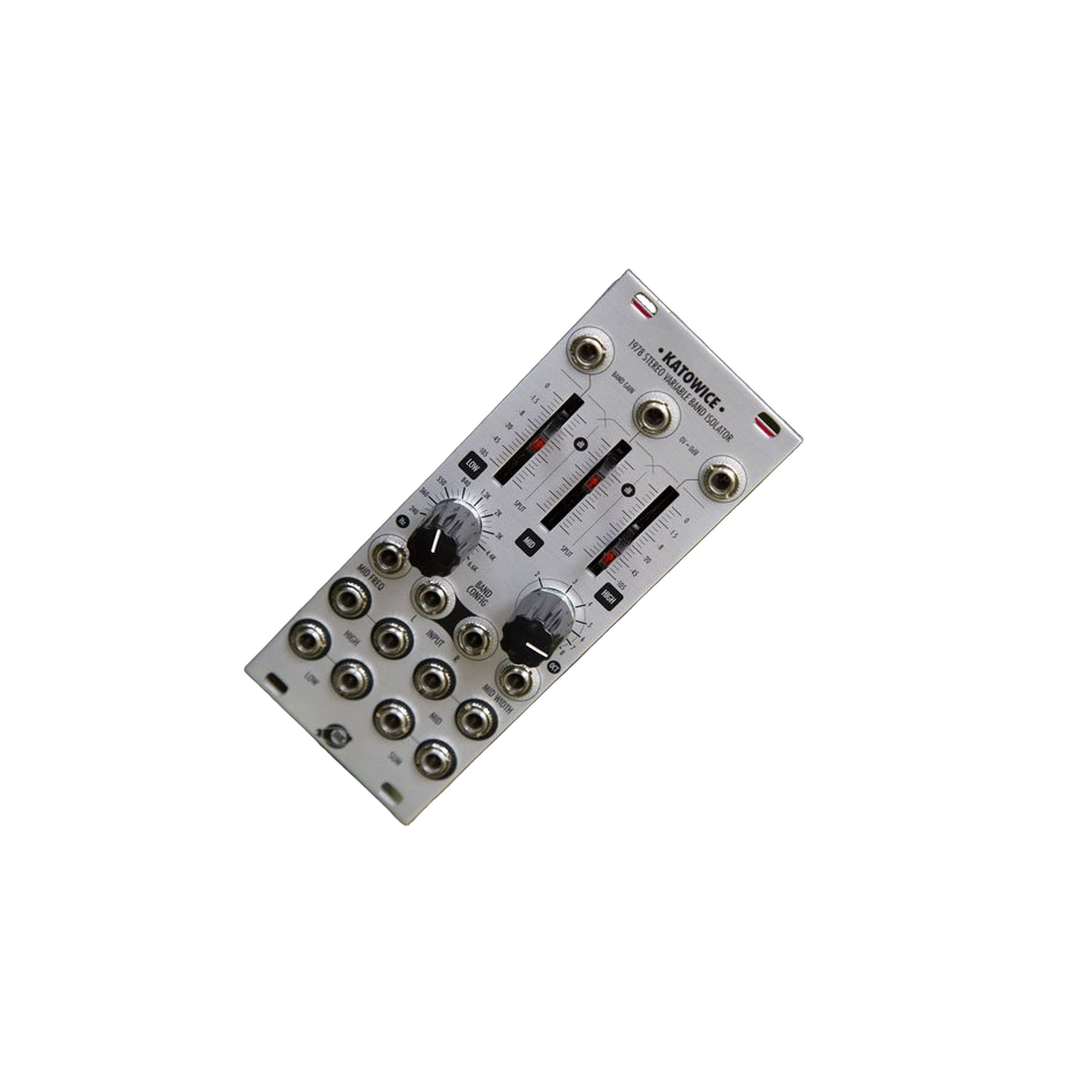
Looking to manipulate selected frequency ranges in your audio signals? The Xaoc Devices Katowice is the perfect solution. The first in a series of modules designed specifically for processing stereo signals, the Katowice is a stereo variable-band isolator that allows you to shape and sculpt your audio in a variety of ways.
The Katowice splits the stereo input signal into three bands - low, middle, and high - and allows you to define the center frequency and bandwidth of the mid-band using the knobs and CV inputs. The low and high bands are automatically adjusted so that the sum of all three is a complete signal. All three bands are passed through high-quality VCAs and their stereo outputs are available separately for further processing, while a stereo mixdown signal is also available.
FEATURES
All-analog design
Stereophonic, 3-band, 24dB/oct crossover module
Voltage-controlled band configuration
Three stereo VCA blocks
Voltage-controlled attenuation in each band
Size: 10 HP
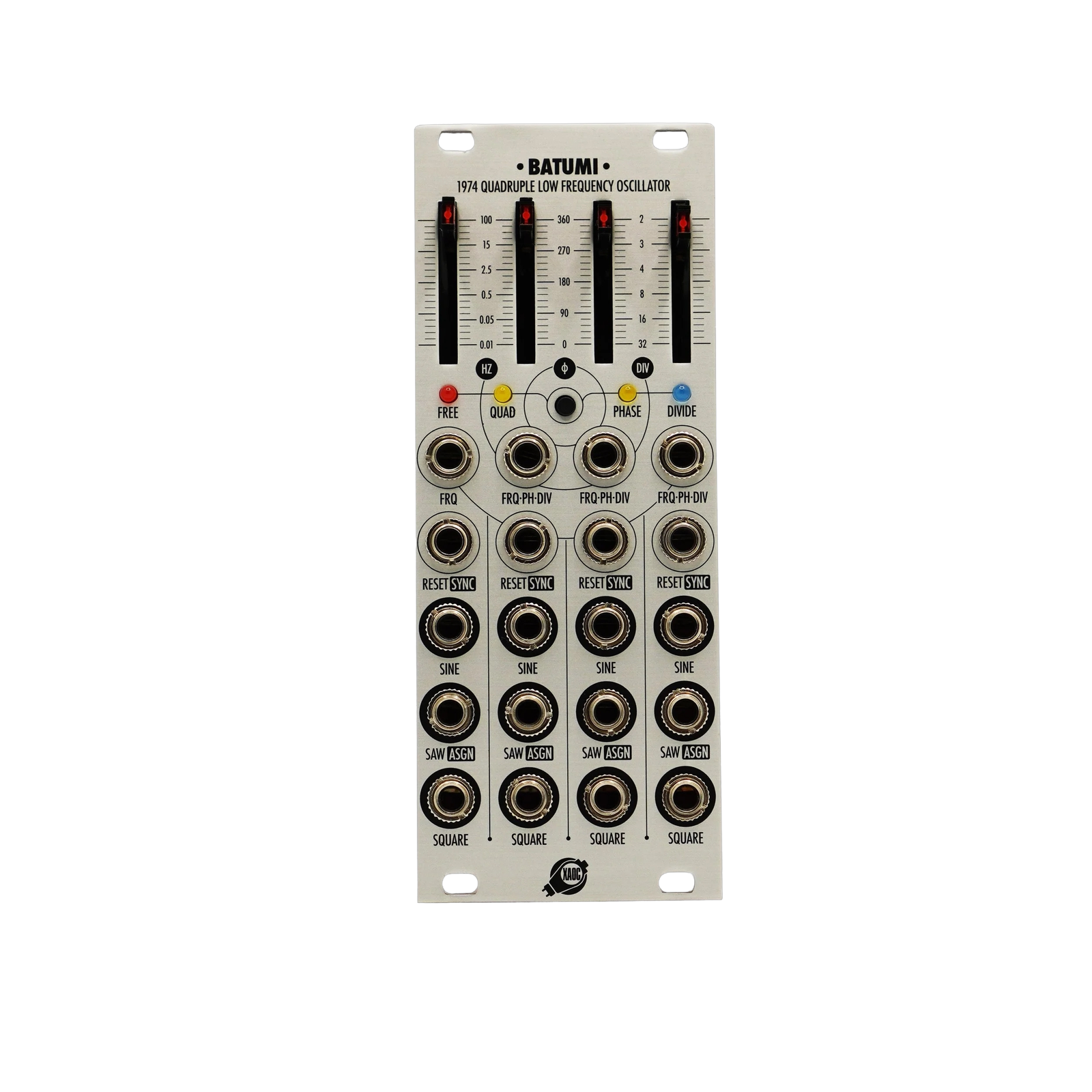
Batumi is a fully voltage-controlled, quadruple digital LFO module with a variety of user-customizable features. Each oscillator can be used independently or in one of 3 synchronized modes: quadrature, phase, and divide. There are sine, square, and assignable (saw, ramp, triangle, and trapezoid) waveform outputs available for each oscillator.
The Batumi allows for voltage control of each oscillator's frequency, reset, and external sync, giving you even more control over your sounds. The total frequency range spans from 28 hours in voltage-controlled divide mode up to 500 Hz.
Whether you're looking for complex and dynamic LFOs or just want to add more modulation options to your modular setup, the Batumi is a great choice.
FEATURES
four voltage controlled LFOs
free, quadrature, phase, and divide modes
assignable waveform outputs
assignable reset/tap tempo inputs
zoom mode for precise frequency setting
USB connector and a special app for easy firmware updates
different feature-packed firmware versions to choose from
reverse power protection
Size: 10HP
DESCRIPTION
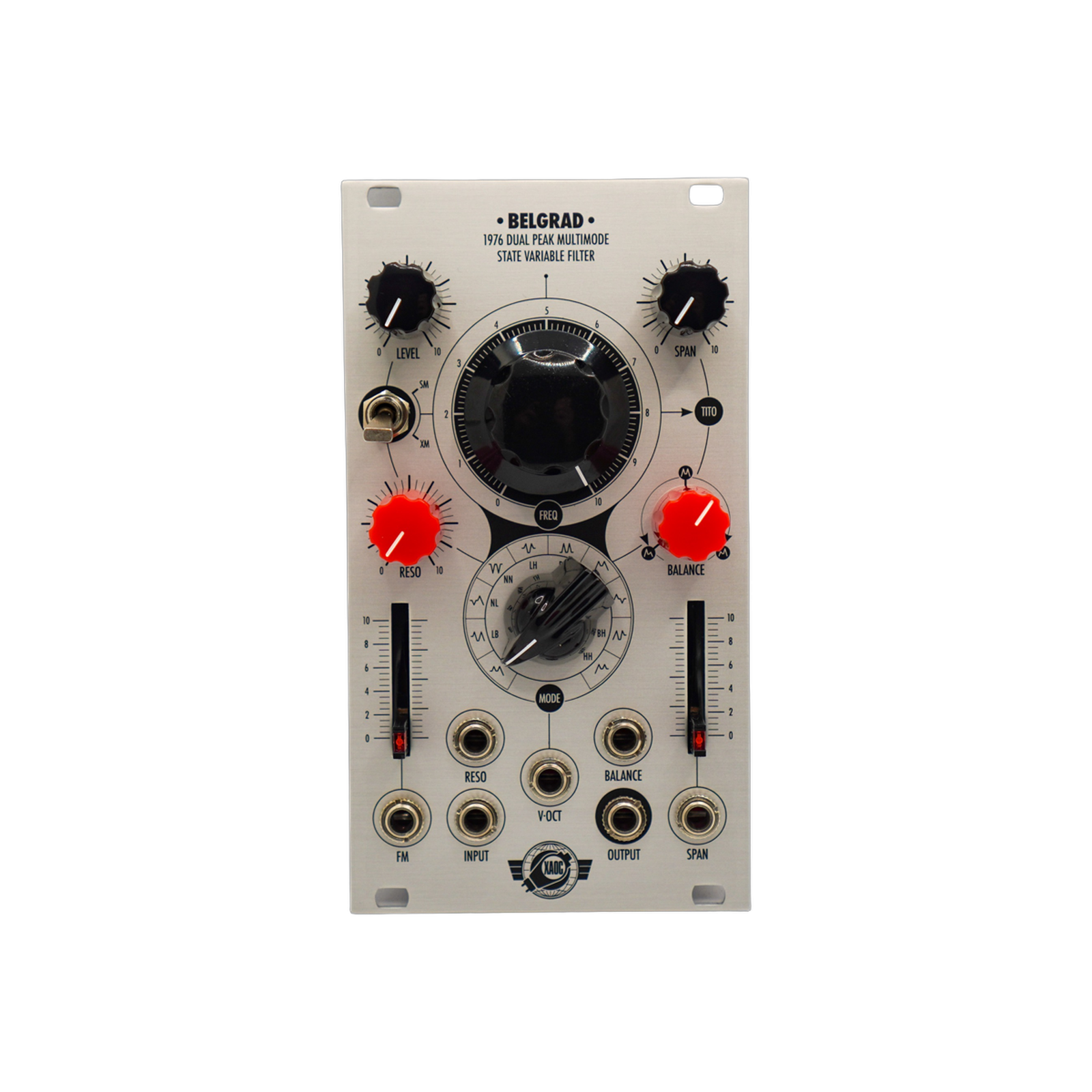
The Belgrad is Xaoc Devices' first all-analog voltage-controlled filter module. While it can be used as a traditional VCF for subtractive synthesis, it also offers unique features and flexibility for exciting timbral explorations. The most prominent feature is its ability to offer multiple frequency responses with two resonant peaks.
With the Belgrad, you can expect countless hours of experimentation and discovery as you explore its unique character and capabilities. Whether you're looking to add more depth to your modular setup or just want to try something new, the Belgrad is a great option. For detailed description, please refer to the manual.
FEATURES
All analog, dual core filter design
10 distinct frequency responses
Wide tuning range, approx. 4hz to 28kHz
Low noise audio path
Voltage controlover the resonance and peaks balance
Nonlinear feedback and cross-modulation
V/octave input
Adjustable input overdrive
TECHNICAL DETAILS
14hp, skiff friendly
Current draw: +45mA / -42mA
Reverse power protection
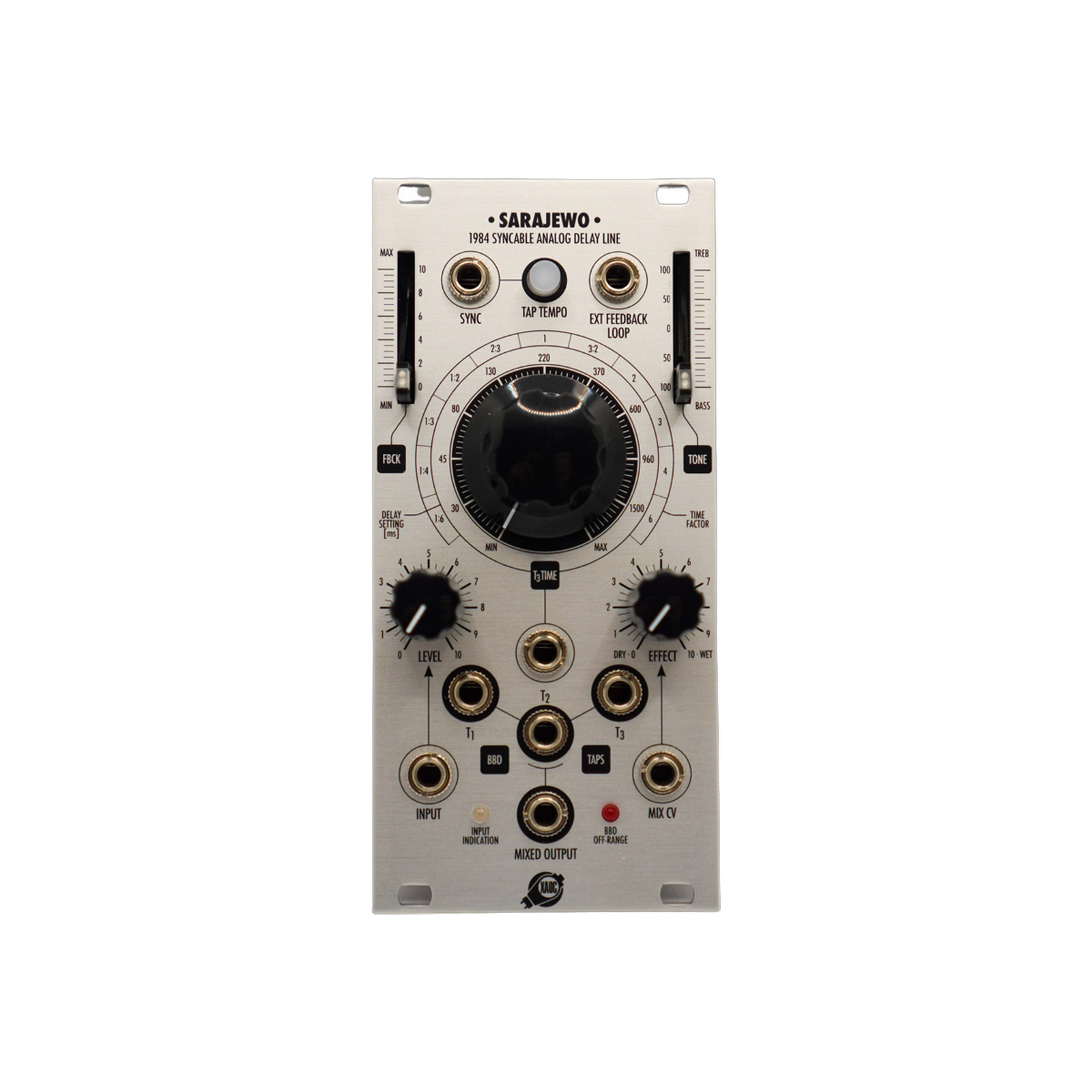
Sarajewo is an analog delay module based on the old-school BBD (Bucket Brigade Delay) chips. It offers three delay taps, an external clock input with various tempo sync factors, and a wide range of settings that can be controlled via CV. The module is built using high-quality components and is designed to offer the best possible sound quality while still preserving the charm of the BBD technology.
The Sarajewo offers a clean and warm analog sound with tons of character. The user interface is easy to use and includes a tap tempo button, signal level indicators, sync and CV inputs, four signal outputs, and an adjustable feedback filter. Whether you're looking to add some vintage analog character to your sound or just want a versatile delay module, the Sarajewo is a great option.
For detailed description, please refer to the manual.
FEATURES
BBD-based analog delay unit
Up to 1560ms of analog delay times
Three delay taps with individual outputs
External clock synchronization
Manual tap tempo function
Variable tempo divisions and multiplications
Automatic bandwidth control
Tilt filter in feedback loop
External feedback loop input
TECHNICAL DETAILS
12hp, skiff friendly
Current draw: +180mA / -120mA
Reverse power protection
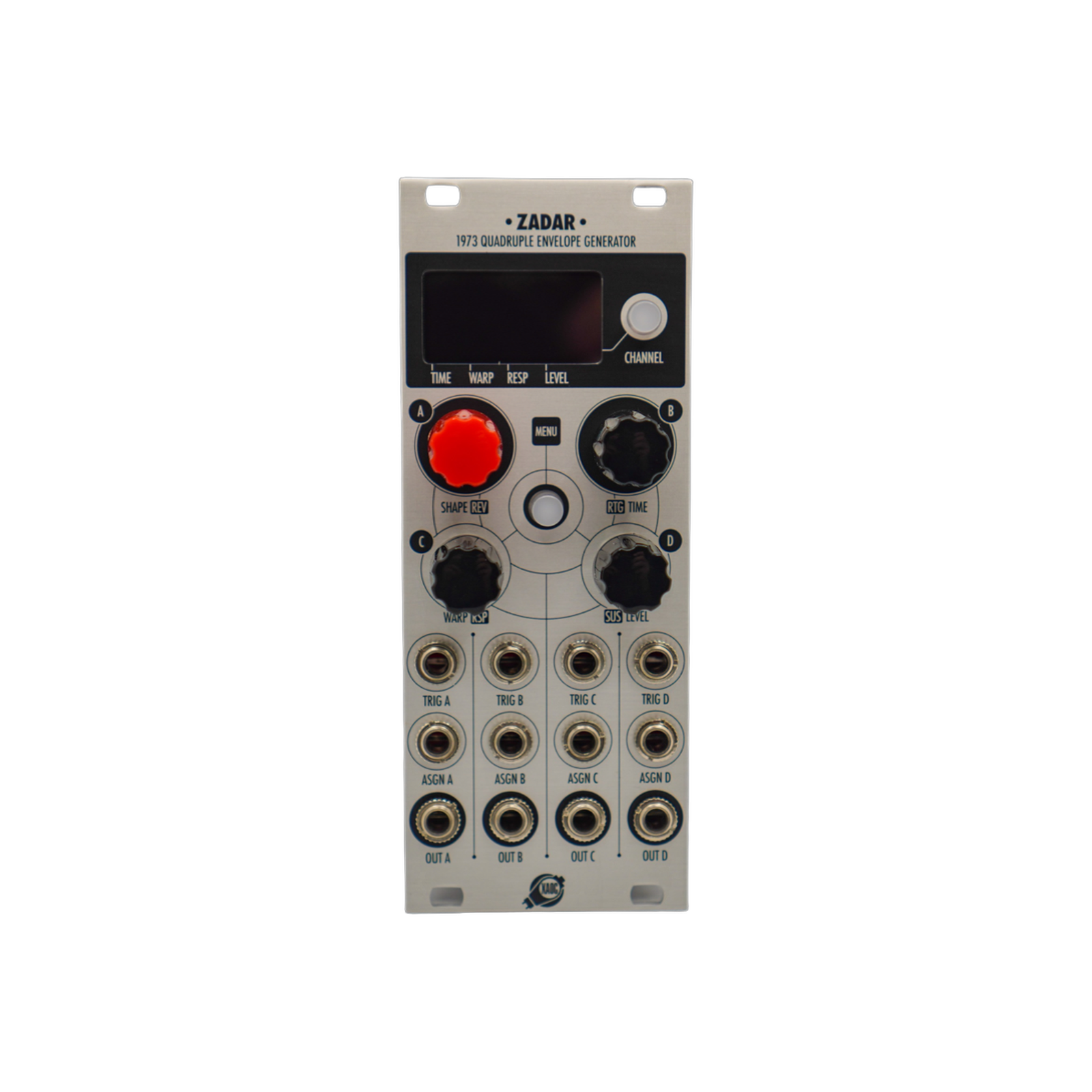
The Zadar is a powerful, four-channel envelope, modulation, and transient generator. It offers a vast palette of envelope shapes, which can be manipulated in real time using a set of freely assignable CV inputs. Each channel can work independently or be combined with other channels using one of the chaining and looping algorithms.
Operating the Zadar is easy and intuitive, thanks to its accessible interface and crisp OLED display. The main screen shows all the parameters and the currently selected shape. The simple 3-page menu is only needed for advanced settings.
Whether you're looking to add more envelope options to your modular setup or want a compact yet powerful generator, the Zadar is a great choice. For detailed description, please refer to the manual.
FEATURES
four independent channels
260 unique vector shapes
cycle time range: 0,85ms to 30min
shapes can be radically modified in two dimensions
immediate operation, accessible interface
complex envelope looping and chaining features
assignable CV inputs to control nearly every parameter
18 preset slots
TECHNICAL DETAILS
10 hp wide
skiff friendly
current draw: +40mA/-10mA
secured against reversed power connection
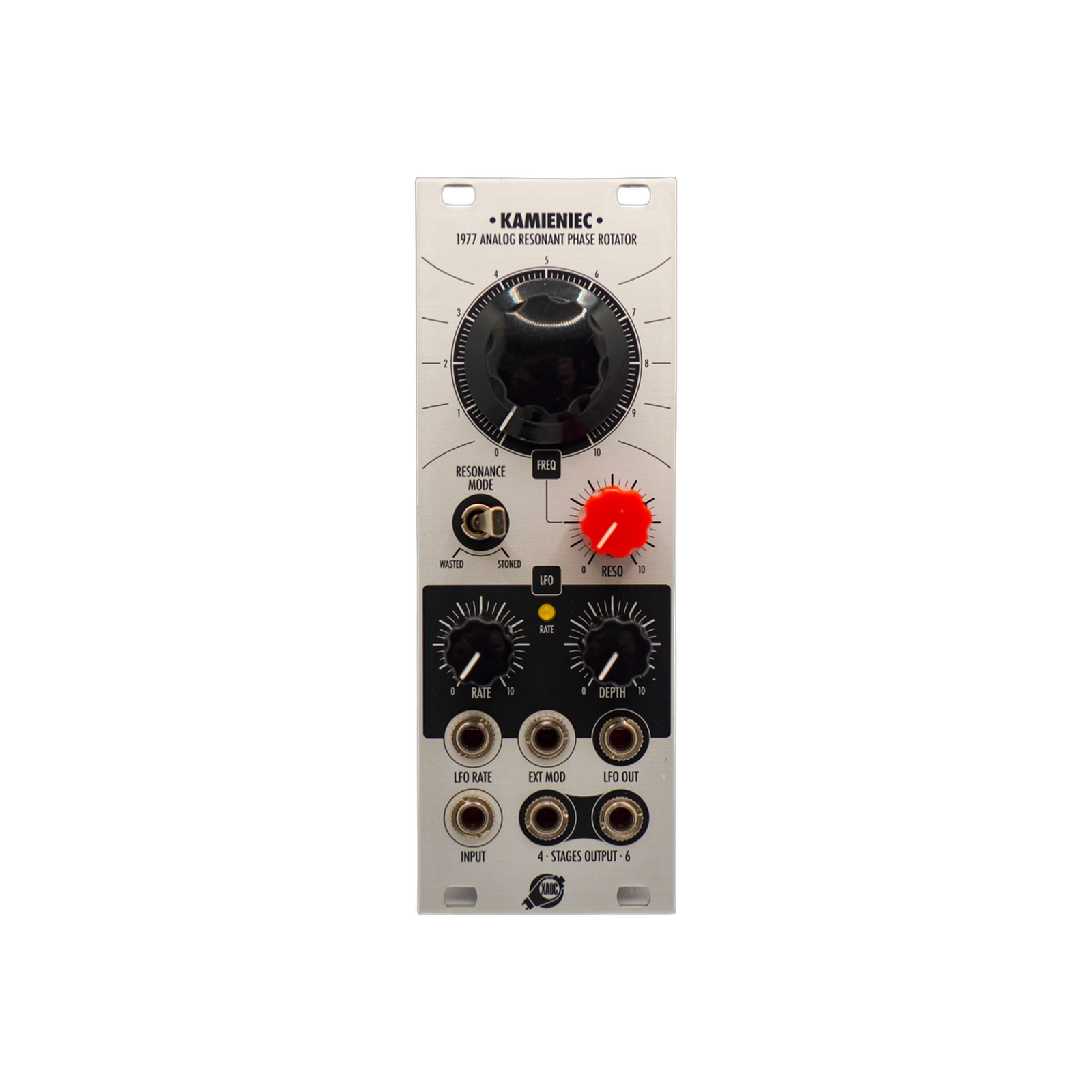
Kamieniec is an analog signal processing module directly inspired by a range of classic phaser effect units from 1970s that helped to define entire musical genres. Most of these classic devices contained a fairly small number of phase shifting stages, but made up for that lack with tons of character! However, what was initially intended for guitars is not necessarily sufficient for synthesizers. Therefore, our intention is to preserve the classic sound as we transport it to a new tonal space while prioritizing flexible modular usability.
Just like many of the famous OTA-based phasers of the 1970s, Kamieniec sports four tunable stages. However, we’ve included two additional fixed stages so as to increase the number of notches, and ultimately offer two versions of the mixed signal (that may be used as a stereo pair) at the two outputs of the unit. While the general topology is similar to a certain very classic phaser pedal, the circuitry has been redesigned with modern components and low noise opamps to bring down the noise floor, improve the bandwidth, and offer a wider range of tuning. The feedback control can be set extremely deep, which results in a very high resonance that is capable of self-oscillation. This produces a unique sound otherwise unreachable for typical phasers, that can vary from subtle and creamy to utterly brutal and grinding. On top of that we’ve included switchable feedback paths, individual stage group outputs, CV inputs, built-in LFO, and daisy chaining ability to provide a comprehensive integration with a modular synthesizer system. For detailed description, please refer to the manual.
FEATURES
Analog 4/6-stage phaser inspired by the 70s classics
Simultaneous four and six-stage outputs
Onboard voltage controlled wide range LFO
Additional external modulation input
Independent LFO output
Two feedback modes
TECHNICAL DETAILS
Eurorack synth compatible
9hp, skiff friendly
Current draw: +40mA / -40mA
Reverse power protection
EXPANDABILITY
Unlike any other phaser module, multiple Kamieniec units can be chained together to achieve a more radical response with many notches. The general idea of chaining is to pass along the phase shifted signal to subsequent units before it is mixed with the original version in the last unit of the chain. This approach has a very different effect than plain cascading (connecting multiple phaser units in series), because a long chain of allpass sections yields a dense and uniform pattern of multiple notches, exactly like in a long phaser.
Timiszoara is a stereo, Eurorack compatible, voltage-controlled multi-effect signal processor based on the popular Spin Semiconductor FV-1 DSP chip. It features a full stereo signal path with two adjustable audio inputs, two outputs, and a stereo voltage-controlled wet/dry mixer. In addition, there is a microSD memory card slot on the front panel that allows for loading factory and custom effects without any restrictions or copyright protection, which means you can use many effects available on the Internet and even create your own.
Effect programs are organized in banks of 8 and can be selected using a rotary encoder, as well as CV and trigger signals. Timiszoara features a crisp OLED screen that displays the program parameters and its name. It also facilitates navigating the list of banks. Up to three parameters per effect can be controlled from the front panel with illuminated slider potentiometers and dedicated CV inputs.
We have prepared quite a few banks of algorithms (176 in total) that cover most effects needs: delays, reverbs, filters, modulation effects (such as choruses and flangers), pitch shifters, and, of course, shimmers (no multi-effects unit would be complete without its share of those). However, we wanted to ensure that users had access to some more adventurous programs, so we created some special banks to allow you to take a walk on the wild side.
For a detailed description, please refer to the manual.
FEATURES
24–bit stereo DSP engine
Up to three parameters can be voltage-controlled
Low-noise, voltage-controlled analog wet/dry crossfader
Voltage-controlled effects selection
Programs stored on standard Micro SD card
OLED screen
176 factory programs
Open architecture for adding and organizing user–designed programs.
Size: 10 HP